
You Have the Right to Privacy and Protection from Illegal Searches – Unless You Consent
Contrary to what some military law enforcement have claimed while under oath (more on that later), military members are still entitled to the protections of the Fourth Amendment–stopping the Government from unreasonable searches and seizures. That means military law enforcement must still follow the law–they cannot seize belongings and search for evidence of an alleged crime without probable cause and following the required procedures. Unless you consent.
Obtaining consent from military members is like taking candy from a baby. In the military, we are all trained to follow orders, and not just from people who outrank us but also from people with “positional authority.” We recognize it does not matter the rank of the military police or gate guard, we follow their directions. Same is true for military investigators: they are asking for compliance from an audience trained into compliance, so when they say, “would you mind if I take a look at your phone?” or “can I please look through your car?” they are accustomed to getting a yes.
That’s especially so after they’ve spent the entire time building rapport with you, talking about sports, what you like/dislike about your assignment, saying whatever they can (including lies) to make you feel comfortable helping them “just do their jobs.” Don’t be fooled; their job is to collect as much evidence as possible; and getting into a search without probable cause can be an investigator’s lottery win.
“But I have nothing to hide–why not consent?” Because evidence of a crime isn’t just an admission of the offense. Evidence of a crime includes jokes you’ve told privately, memes you’ve shared or laughed out, evidence of where you were, when. Our cell phones are chock full of evidence that can be used against you–whether you really committed a crime or not. When you consent to the search of your phone, they don’t just peruse through it. They hook it up and create a complete digital backup. All the pictures sent to you, all the content. Everything.
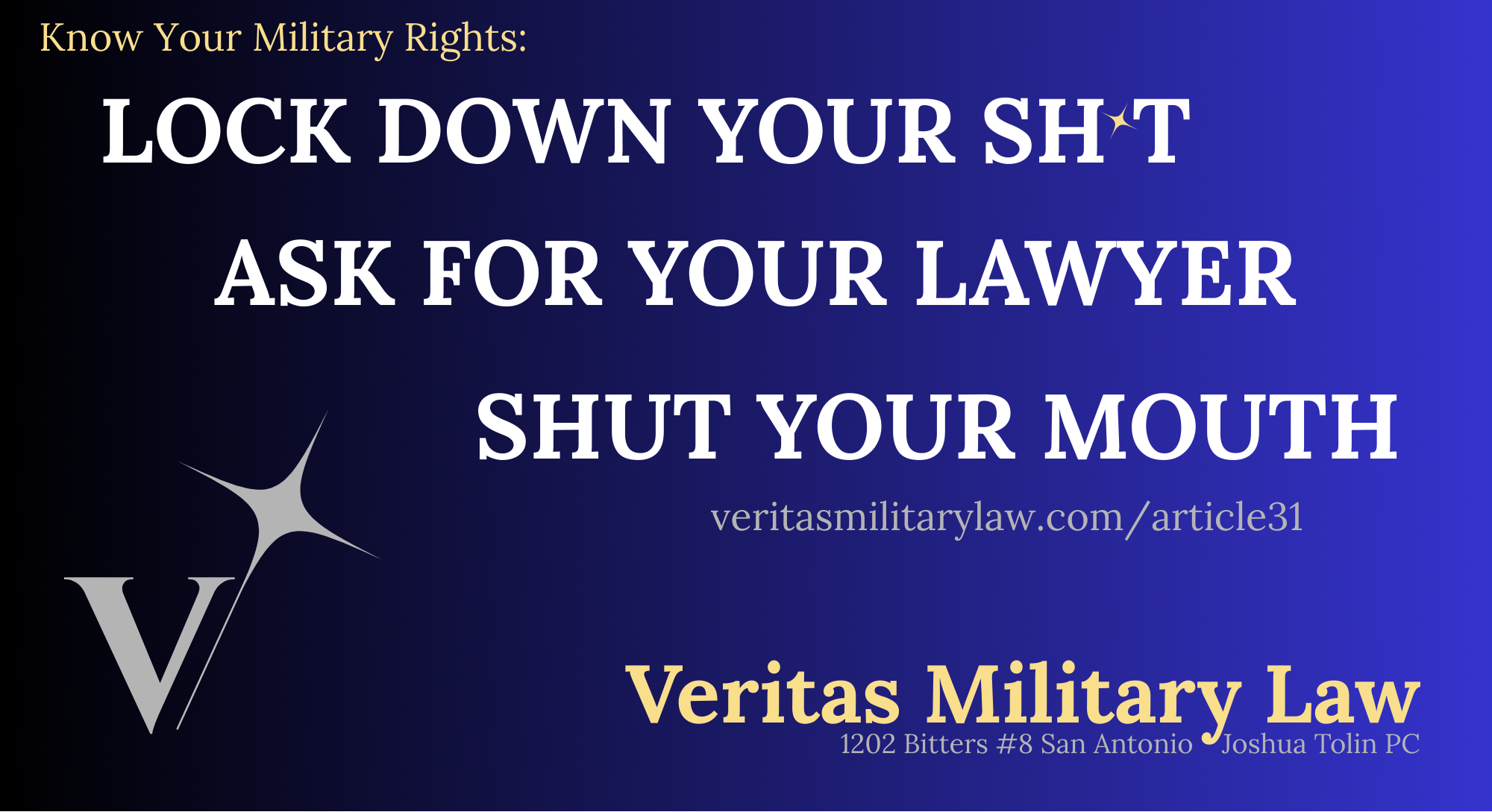
But privacy is your right. You have the right to control access to your personal belongings. So lock down your shit. It may be a pain, but use a real password on your phone (especially if you’ve got a strange feeling someone may have claimed something against you). Take off your face recognition and fingerprint recognition. Alphanumeric passwords are strongest (using numbers and letters–but not regular words). Those make it harder for the government to force unlock. Even harder for the government to hack into a locked phone is when your phone has been powered off before it was taken.
The Fourth Amendment doesn’t just protect your phone. It protects your other stuff, do. Lock your doors. Don’t leave potentially incriminating stuff (even if there’s an innocent explanation) out in plain view for someone to see from outside your window. Use your glove box or trunk. Don’t have your social media open to the public. Sing songs and the person who’s alleging you committed crimes is part of them? Keep that in the vault for now.
Lock down your shit. You have the right to privacy, but only if you keep your shit private.